What to expect from a visit to a TCM practitioner
By Physician Poh Yu Min (Joy) · Joy TCM Clinic
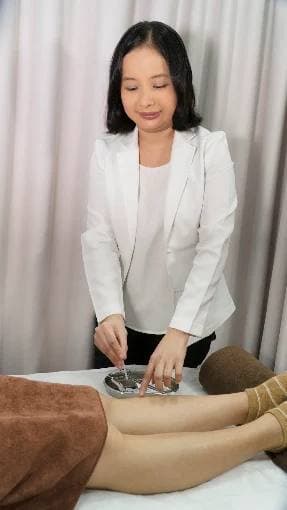
While TCM clinics are increasingly common in Singapore, many of us — especially the younger generation — have never set foot in one, and rely on Western medicine by familiarity. If it's your first time and you're not sure what to expect, here are a few pointers about examination and diagnosis by TCM practitioners.
Principles of TCM diagnosis
TCM views the human body as an organic whole. A practitioner pays attention to the interrelations between each internal organ and observes the patient in the context of their surroundings — when the external environment changes and the body fails to adapt, that is when a person is likely to fall sick. Diagnosis combines four methods: inspection, listening and smelling, questioning, and palpation.
Inspection — including the tongue
The practitioner uses visual observation of your mental state, physical condition, facial expression and tongue. Tongue diagnosis is an important procedure: the tongue body reflects the muscular tissue while the coating — a layer of “moss” produced by the stomach — reveals internal balance. A healthy tongue is pale red, soft, and carries a thin white coating that is neither dry nor overly moist.
Listening, smelling & questioning
Healthy sounds — speech, breathing — are natural, balanced and smooth, reflecting harmony in the organs and sufficient qi and blood. Like Western doctors, the practitioner will then ask about your immediate complaint, its onset and duration, your reaction to cold and heat, appetite, sleep and — for women — menstrual and childbirth history. The first consultation takes longer, as your whole medical history matters. Many patients find the unhurried conversation itself therapeutic.
Palpation — the pulse
Pulse-taking is the essence and distinguishing feature of TCM. The pulse is read above the wrist where the radial artery throbs, and differentiated by depth, speed, strength, shape and rhythm — disharmonies in the body are reflected in the pulse. The practitioner may also press areas of the body, such as the abdomen in cases of gastric pain, to locate the nature of the condition.
Your individualised plan
After assessment, the practitioner prescribes an individualised treatment plan — typically Chinese herbal medicine, acupuncture, acupressure, cupping, lifestyle management or dietary therapy. It's recommended to follow up with the same practitioner over a period of one to three months: with each visit, the practitioner understands your body constitution better and refines the plan each time.
About the author: Physician Poh Yu Min (Joy) graduated from NTU with a Double Degree in Biomedical Sciences and TCM, and holds a Masters in TCM from Liaoning University of TCM. Her focus areas are women's health and fertility care, slimming and obesity management, sub-health management and children's wellness development.